Showcase

Scientific Application Examples and Environmental Actions

There are pilot projects on the grounds of the Science Park where new processes are tested and clearly explained. Discover these scientific demonstrators on a tour – either on site or digitally.

The facilities at the Science Park strive to minimize the environmental impact of their research work. For example, there are measures to promote sustainable mobility, urban biodiversity and energy efficiency. You will also find information boards on the site.
Move the cursor over the map and find out more about scientific demonstrators and environmental measures.
  • Scientific Demonstrators
  • Environmental Actions

You are currently viewing a placeholder content from Google Maps. To access the actual content, click the button below. Please note that doing so will share data with third-party providers.

More Information

The floating microbial Fuel Cell: generating Energy – cleaning Water Bodies

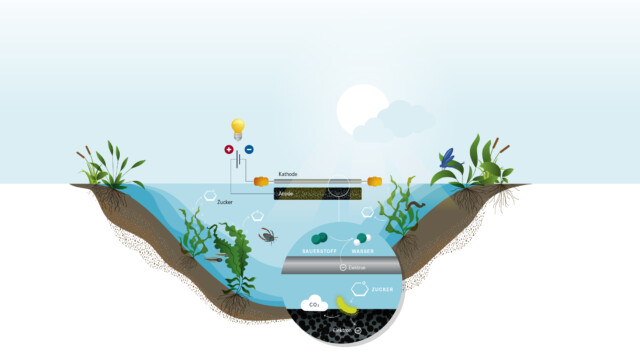
Scheme of a microbial fuel cell on a pond

Scheme of a microbial fuel cell on a pond

© Artkolchose/UFZ

The microbial fuel cell consists of an anode and a cathode, which correspond to the positive and negative poles of a battery. Electroactive microorganisms release electrons to the anode when they break down organic waste products such as plant residues, thus preventing the development of algae blooms. In addition, the filtering of the pond water is coupled with energy generation in the form of electricity. Electroactive microorganisms can be used for a wide range of innovative technologies, opening up new prospects for a bio-based circular economy.

Groundwater Remediation and Energy Storage

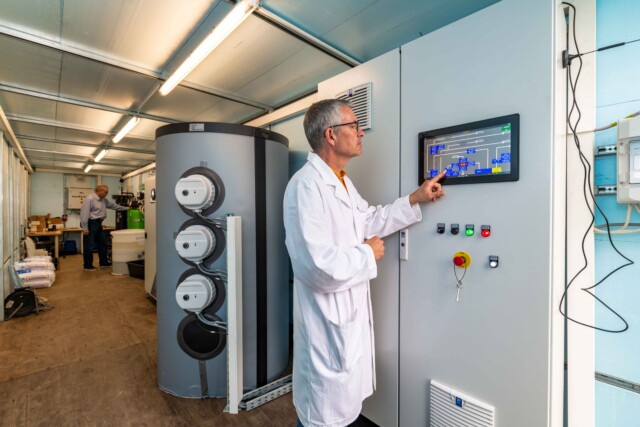
Control module in the Konates Container

Control module in the Konates Container

© UFZ, André Künzelmann

Storing thermal energy in aquifers using ATES systems (Aquifer Thermal Energy Storage) offers potential for CO2-free heat management in urban areas. In the warm season, the aquifer is “charged” with hot water, which is pumped up in winter. In winter, the process is reversed. However, near-surface aquifers are often contaminated by industrial pollutants, which limits their function as seasonal heat reservoirs. The KONATES project is investigating how the cyclical operation of a thermal management system can be combined with simultaneous groundwater remediation.

Grey Water Cleaning in a Marsh Plant Roof

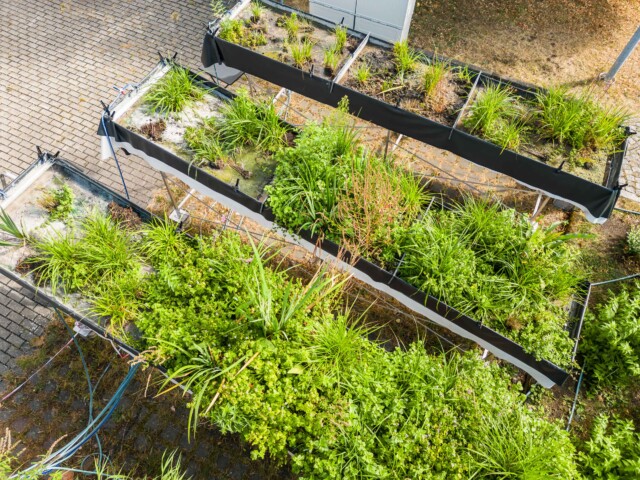
Marshland beds

Test beds with swamp plants

© André Künzelmann, UFZ

The droughts of recent years have highlighted how quickly groundwater levels can fall and water can become a scarce resource – even in our geographical latitudes. The decentralised and local reuse of water is an important measure to conserve drinking water reserves. A marsh plant roof can fulfil several functions here. It purifies grey water (fecal-free household wastewater), cools the environment on hot days and provides food for insects – in other words, it strengthens urban biodiversity.

Rainwater Retention and its release in a controlled manner – the smart Green Roof

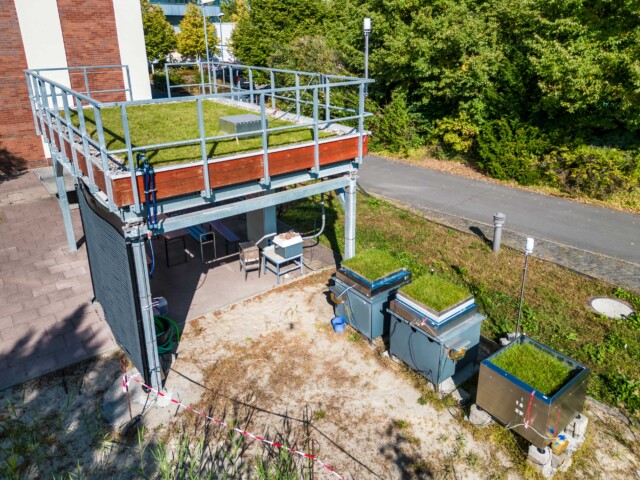
Retention green roof

Pilot plant “carport” with retention green roof

© UFZ, André Künzelmann

Climate change leads to a shift in precipitation patterns: droughts on the one hand and heavy rainfall on the other are on the increase. Innovative methods of rainwater management are being developed to better cope with periods of drought and, in the event of heavy rainfall, to relieve the burden on the sewage system and prevent localised flooding. A retention green roof increases the capacity of a green roof structure to absorb rainwater many times over and serves to regulate the irrigation of the green roof vegetation.

Tree Infiltration Systems – Cleaning of Urban Rainwater Runoff

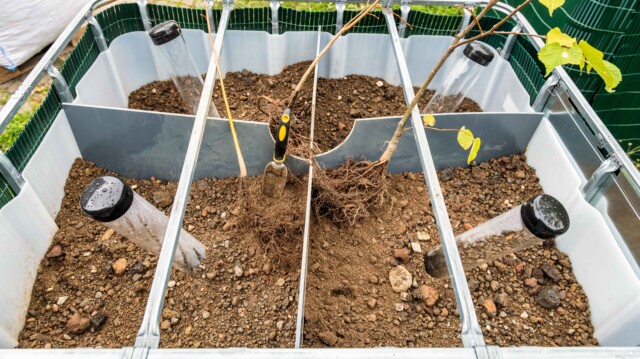
IB-Container filled with soil, planted

IB-Container filled with soil, planted

© UFZ, André Künzelmann

Tree trenches – underground water reservoirs planted with trees – are part of bluegreen infrastructures. With their help, urban runoff can be controlled in cities during heavy rainfall, reducing the risk of flooding. Rainwater carries organic pollutants such as tire wear or fuel spillage into the root zone, where these pollutants can partially be degraded by the microbial community. UFZ researcher test how this pollutant degradation can be optimised by adding biochar and organic degradation stimulants.

Cooling Buildings, relieving the Sewage System and promoting Biodiversity – the Green Roof as an all-rounder

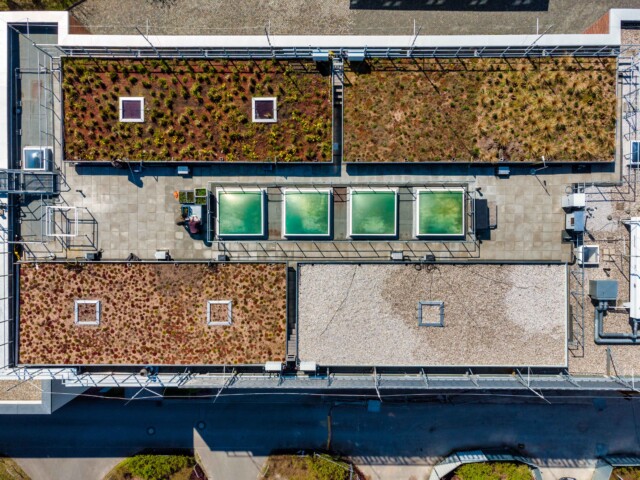
Aereal Photo of the research green roof

Aereal Photo of the research green roof

© UFZ, André Künzelmann

In combination with other blue-green infrastructures, green roofs have a variety of positive effects on the urban and building climate, on biodiversity, on rainwater management and also on the preservation of buildings, in addition to their visual appeal. On the UFZ research green roof, extensive sensor technology enables the creation of energy balances and long-term measurements of the effects that different roof coverings have on the microclimate and biodiversity and how they function as rainwater reservoirs and pollutant sinks.

From the Lab to River Systems – on the Trail of Pollutants

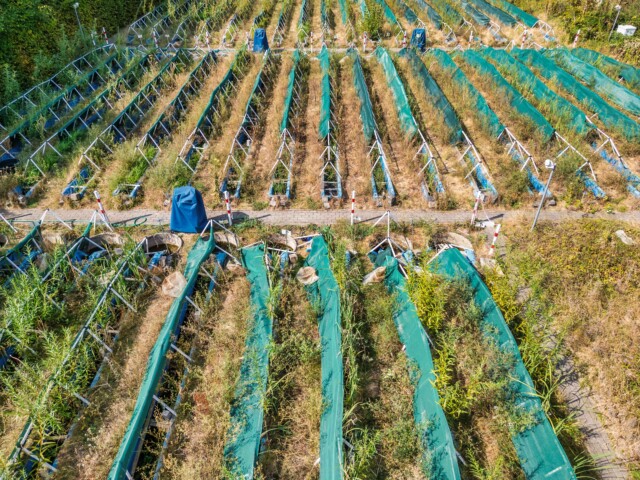
Flume system

Flume system

© UFZ, André Künzelmann

In the field, pollutants often affect aquatic communities at much lower concentrations than in laboratory systems. The reason for this is the combined effect of multiple stressors. The UFZ river experiment consists of 47 flow channels, each 14 metres long, and simulates a natural stream system in which individual parameters can be specifically controlled and monitored. The results – coupled with laboratory tests – are processed using mathematical models and lead to more realistic predictions of chemical effects in ecosystems.

Sustainable Travelling

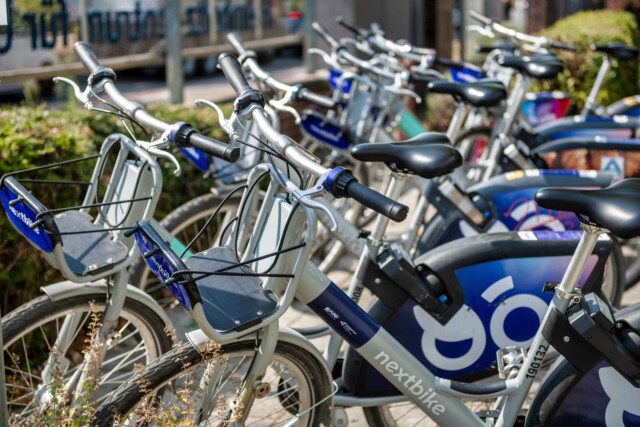
NextBike bike sharing

NextBike Station at Science Park Leipzig

© André Künzelmann, UFZ

Around 3 out of 4 employees at Leipzig Science Park use sustainable modes of transport to get to work, of which around 2/3 cycle. As a certified bicycle-friendly employer, the UFZ has, among other things, set up a Nextbike station: Employees and guests can hire bikes there. The UFZ co-finances the Germany Job Ticket, has set up e-charging stations and replaces company vehicles with car sharing and environmentally friendly alternatives wherever possible. Carpooling is organised for business trips and short-haul flights are reduced to a minimum.

Promoting biodiversity in urban areas

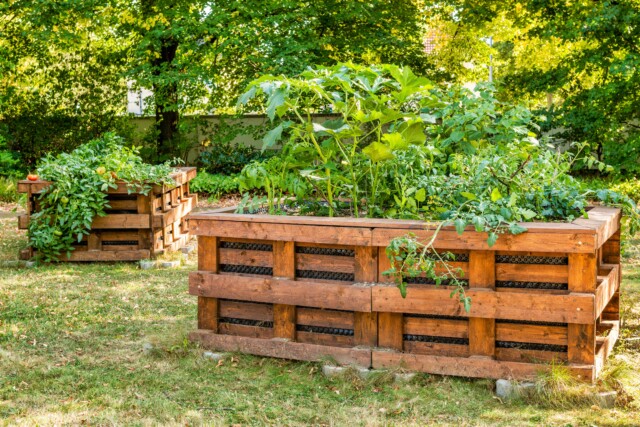
Raised garden beds with vegetable

© UFZ, André Künzelmann

Urban spaces can also provide a habitat for numerous animal and plant species. Biodiversity is preserved and promoted here in the Science Park through targeted measures. Nesting boxes provide breeding opportunities for tits, sparrows and other bird species. Care with reduced mowing leads to species-rich flowering meadows. Leaf blowers are replaced by manual raking which saves insects, soil organisms and soil structure. Employees plant vegetables in the after-work garden; this is also a source of nectar for pollinators and food for insect larvae. And if you don’t
garden yourself, you can have a box of organic fruit and vegetables from a local community farming delivered to the distribution station in the Science Park.

Greenhouse gas neutral and energy-efficient

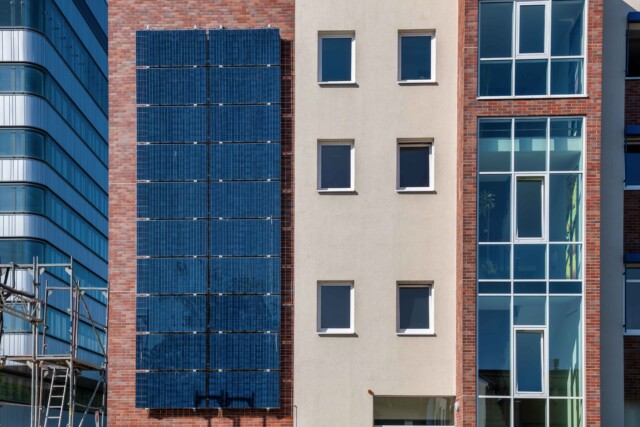
Photo Voltaic modules on a facade

Photo Voltaic modules on a facade

© UFZ, André Künzelmann

The UFZ has already achieved greenhouse gas neutrality through offsetting. The proportion of emissions to be offset is gradually being reduced. In the energy sector, for example, this is being achieved through energy-efficient LED lighting, systems and devices, monitoring systems as well as waste heat utilisation. The UFZ is also focussing on renewable energy sources: In addition to the purchase of 100% green electricity, several photovoltaic systems have already been installed – further systems are being planned.

What Probes and Sensors Make Visible

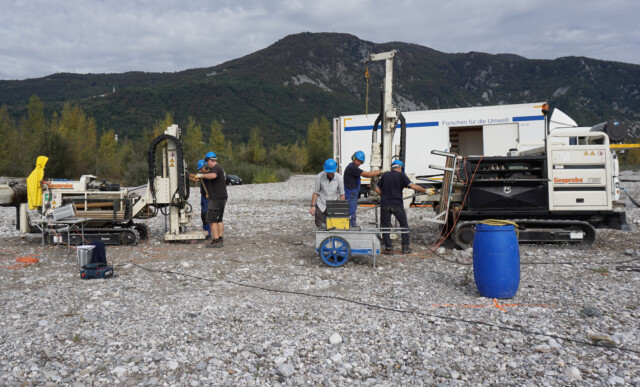
Soil sampling with Geoprobes in a river bed

© UFZ

UFZ scientists are developing and validating application-oriented measurement methods to investigate natural and anthropogenic processes and their effects. One such method is direct push-based sensing, which allows to describe various properties of the subsoil at depths of up to 30 meters. The UFZ is trialling such probing methods and other sensor technology at this test site. These include sensors that use cosmic radiation to record soil moisture in the root zone within a radius of up to 150 meters and thus improve drought forecasts. In addition, particulate matter and nitrogen oxide sensors are being tested in order to steer traffic flows in Leipzig and other cities in an environmentally sensitive manner – coupled with artificial intelligence.

Healthy Trees – Liveable Cities

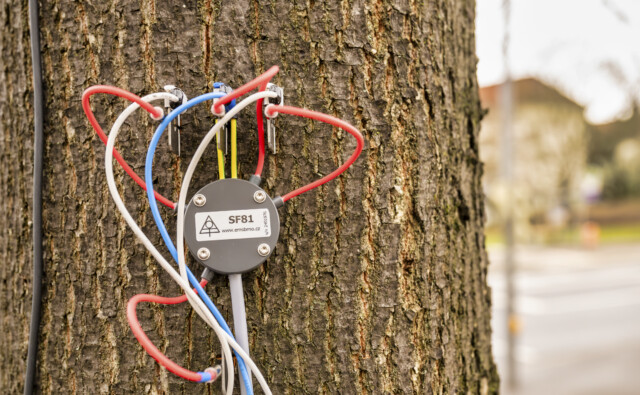
Sap flow Measurement at a tree trunk

© UFZ, André Künzelmann

Urban trees provide multiple functions that help to make cities more resilient to climate change and attractive. Amongst those are cooling effects through shade and evaporation, increased biodiversity, or attractive recreational spaces. To optimally fulfil those functions, trees require resources such as soil, water, and enough space. Jointly, colleagues from Helmholtz centers KIT, Hereon and UFZ investigate how different irrigation in summer affects sap flow, trunk and root growth as well as air temperature and humidity in the canopy. The results contribute to sustainable urban planning and adaptable tree management strategies.

Architecture for research: regional, sustainable, innovative

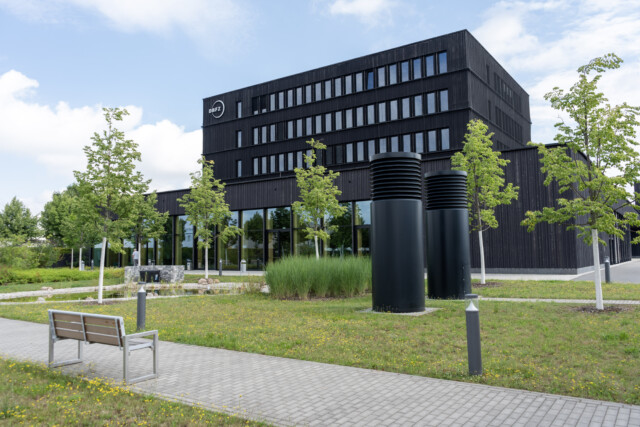
Mainbuilding of DBFZ; view from southwest

© Paul Trainer, DBFZ

The new building for the DBFZ was constructed between 2016 and 2020 as a federal building by the Saxon Real Estate and Construction Management (SIB) and officially inaugurated in early 2021. The innovative building, constructed from locally sourced wood, was built using a wood-concrete composite construction method with energy and ecological advantages and forms a striking and widely visible landmark along Torgauer Straße. The technical and energy concept includes sustainable heating of new and existing buildings via wood chip heating, biogas, solar thermal energy, and a photovoltaic system. In 2023, the building complex was awarded the Saxon Timber Construction Prize 2023 and the Architecture Prize 2021 of the BDA Saxony.

Pilot plant for renewable methane

Pilot plant for converting bio-resources and hydrogen into methane as fuel

© Paul Trainer, DBFZ

In the ‘Pilot-SBG’ demonstration project, a pilot plant was planned, constructed and tested in trial operation on a technical scale. The plant combines innovative processes such as methanisation and hydrothermal processes with proven technologies such as anaerobic digestion and separation technologies. The aim is to develop a competitive biorefinery concept using advanced raw materials such as straw, manure and biowaste. In the sense of innovation-supporting services, processes are optimised and data evaluated in order to support the transfer to commercial scale with the help of a concept. The focus is on circular economy, sector coupling, CO₂ reduction and the use of green hydrogen for the methanisation of biogenic CO₂.
Further information: www.dbfz.de/en/pilot-sbg

Biogas – Small creatures, big added value

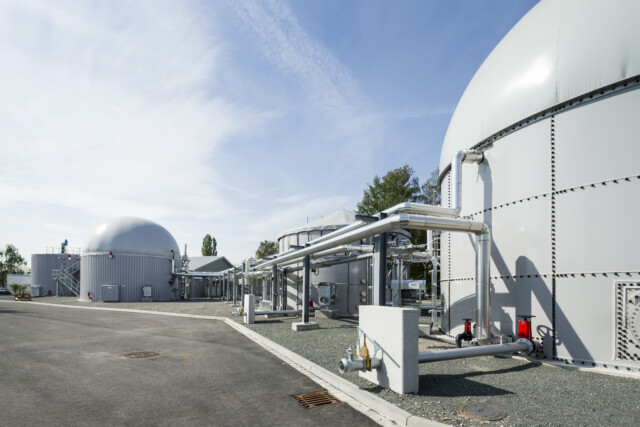
Biogas Reactors

© Paul Trainer, DBFZ

Biogas plants supply methane, CO2, fermentation residues and other products with a wide range of applications, from energy sources to fertilisers and platform chemicals, particularly as renewable carbon carriers. A wide variety of feedstocks are used, ranging from renewable raw materials to waste. Only when scaled up do effects become apparent that are not observed under laboratory conditions. Since 2012, the DBFZ’s research biogas plant has been contributing to application-oriented research on a practical scale, thus ensuring that the results can be easily transferred to applications in agriculture and industry. The combination of biogas analysis, laboratory tests and the research biogas plant at the DBFZ enables the development of innovative methods, efficient processes and holistic system integration for the value creation of renewable systems.
Further Information: www.dbfz.de/research-biogas-plant

APELI – The low-emission stove for Africa

Low-emission cook stove

© DBFZ

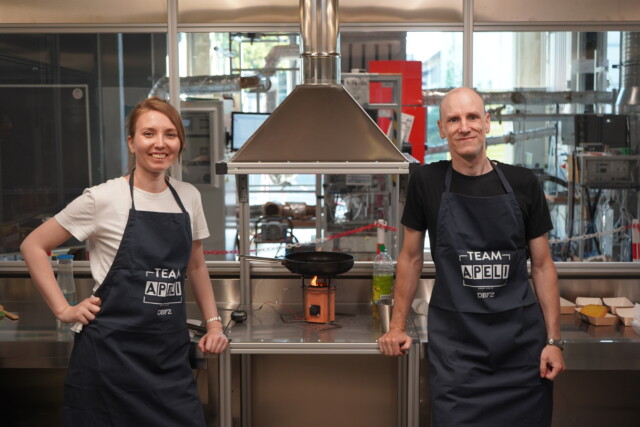
In the “APELI” cookstove developed by the DBFZ, combustion is based on a multi-stage process that enables the fuel (wood pellets and local residues such as bamboo or palm kernel shells) to be completely utilised thermally.  The advanced process control and the use of a standard tin can as the basis for the combustion chamber enable the burner to be extremely small, with correspondingly low material consumption. In a simultaneous comparison test under field conditions with a cooking fire and a charcoal stove, the “APELI” impressed with its significantly higher performance and lower fuel consumption. When using wood pellets, it was found that a cooking fire requires five times as much wood and a charcoal stove requires twenty times as much wood over the entire fuel production process to achieve the same result.
Further information: www.dbfz.de/en/herotogo

DBFZ Resource Database, Data Science & Artificial Intelligence

© DBFZ

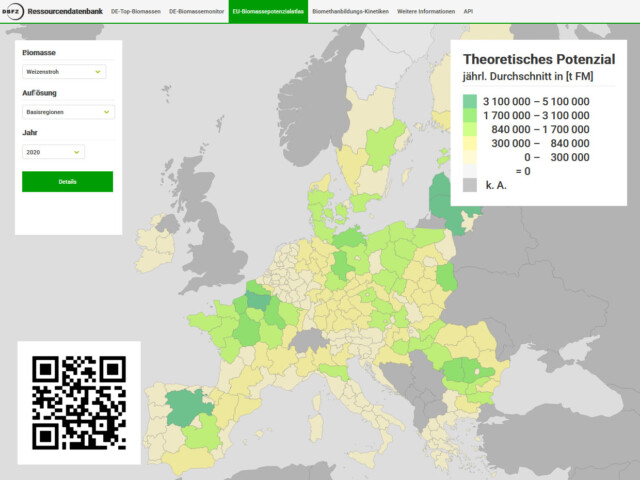
The DBFZ Resource Database maps the occurrence and availability of biogenic resources at national and EU level. It collects and visualizes the potential and the use of numerous biogenic waste and residual materials from the categories agricultural by-products, forestry by-products, municipal waste and sewage sludge, industrial residues and residues from other areas for Germany and the EU. The database was developed in collaboration with the DBFZ Data Lab, which bundles all activities at the DBFZ relating to research data, data science and artificial intelligence. The web application is open to all users and available with an Application Programming Interface (API): www.dbfz.de/en/resource-database


Radiopharmaceutical Development for Nuclear Imaging of Brain Tumors

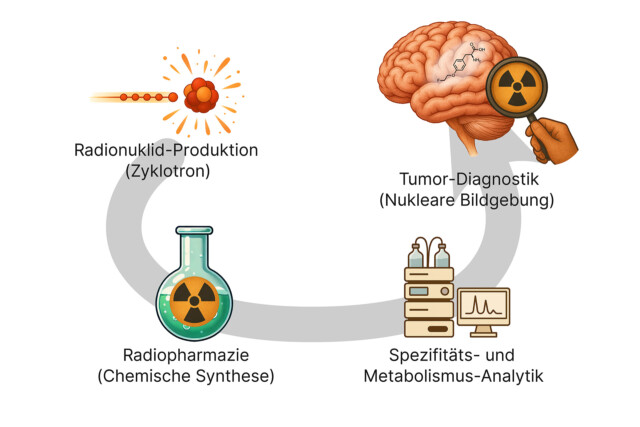
Schema des Einsatzes von Radiopharmaka bei der Tumordiagnostik

© HZDR

At the Department of Experimental Neurooncological Radiopharmacy of HZDR’s Institute of Radiopharmaceutical Cancer Research, we investigate the origin and characteristics of brain tumors to develop new diagnostic methods and therapies. Our research focuses particularly on transport processes between the brain and the rest of the body across the blood-brain barrier, as well as on the interactions between cancer cells and neurons. By incorporating radioactive atoms into pharmaceutical compounds, we can specifically target molecular structures and visualize key biological processes with high spatial and temporal resolution.

Reactive Transport in Porous Materials = Mass Transport + Chemical Reaction

Laborreaktor

© HZDR, André Künzelmann

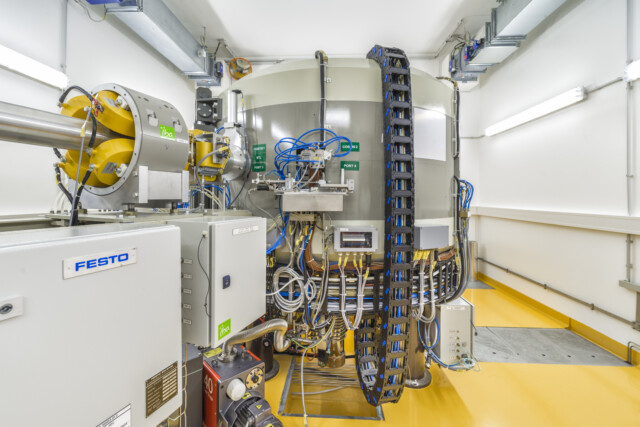
In the Department of Reactive Transport of HZDR’s Institute of Resource Ecology, we study the interactions of fluids – that is, gases and liquids – with solid materials. Our research focuses on the chemical reaction kinetics of sorption and dissolution processes, as well as on the transport properties of complex porous materials. We develop and apply radiochemical, tomographic, and numerical methods. The applications range from corrosion and material degradation to the mobilization and retention of contaminants, the modification of bio- and nanomaterials, and the safe disposal of nuclear waste.

Research Site Leipzig of the Helmholtz-Zentrum Dresden-Rossendorf (HZDR)

Laborarbeit; Erlenmeyerkolben mit farbigen Flüssigkeiten

© HZDR, André Künzelmann


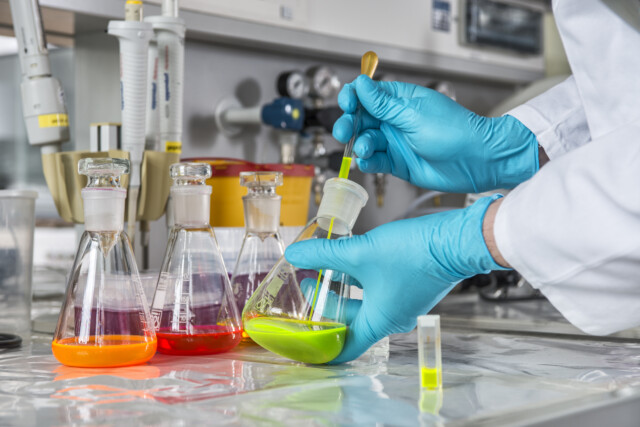
The HZDR develops solutions to current challenges in the research fields of energy, health and matter – ranging from the sustainable use of resources to innovative approaches in radiation-based cancer diagnostics and therapy, as well as the study of material behavior under extreme conditions. Around 1,500 people work on these topics at six locations. At the Leipzig site, researchers develop radiolabeled substances and innovative imaging techniques to detect brain tumors more precisely and tailor treatments to individual patients. They also study how substances interact with surfaces and move through porous materials – research that is vital for nuclear safety, environmental protection and materials science.

Institut für Nichtklassische Chemie e.V.

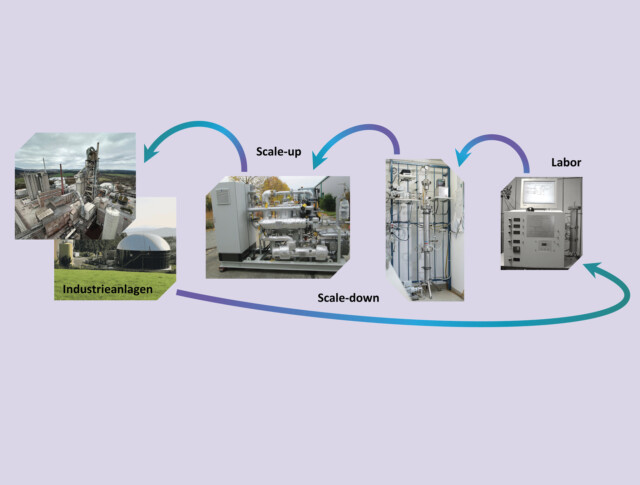
Up-Scaling from Lab to industrial scale

© INC

The INC Leipzig, as an independent, non-profit research institution, connects scientific fundamentals with industrial application. Our focus lies on physico-chemical transformation technologies as well as on processes for product purification and the recovery of valuable materials.
As competence centre for separation processes, particularly in adsorption, catalysis, gas scrubbing, and extraction, we focus on the application-oriented development of process engineering and analytical methods. In doing so, we create practical solutions for a sustainable energy, environmental, and circular economy.
Our core objective is the development of innovative processes and materials that contribute to resource conservation, energy efficiency, and emission reduction.

You might also be interested in

Press Releases

News from research at the Science Park’s facilities and statements on current science and environmental policy issues can be found on the pages of the respective press and public relations departments.

Events

Information on conferences, public lectures or exhibitions can be found on the pages of the Science Park facilities.

Job Offers

The Science Park offers attractive positions in research, development and administration. Find out about current vacancies on the pages of the individual institutions.